
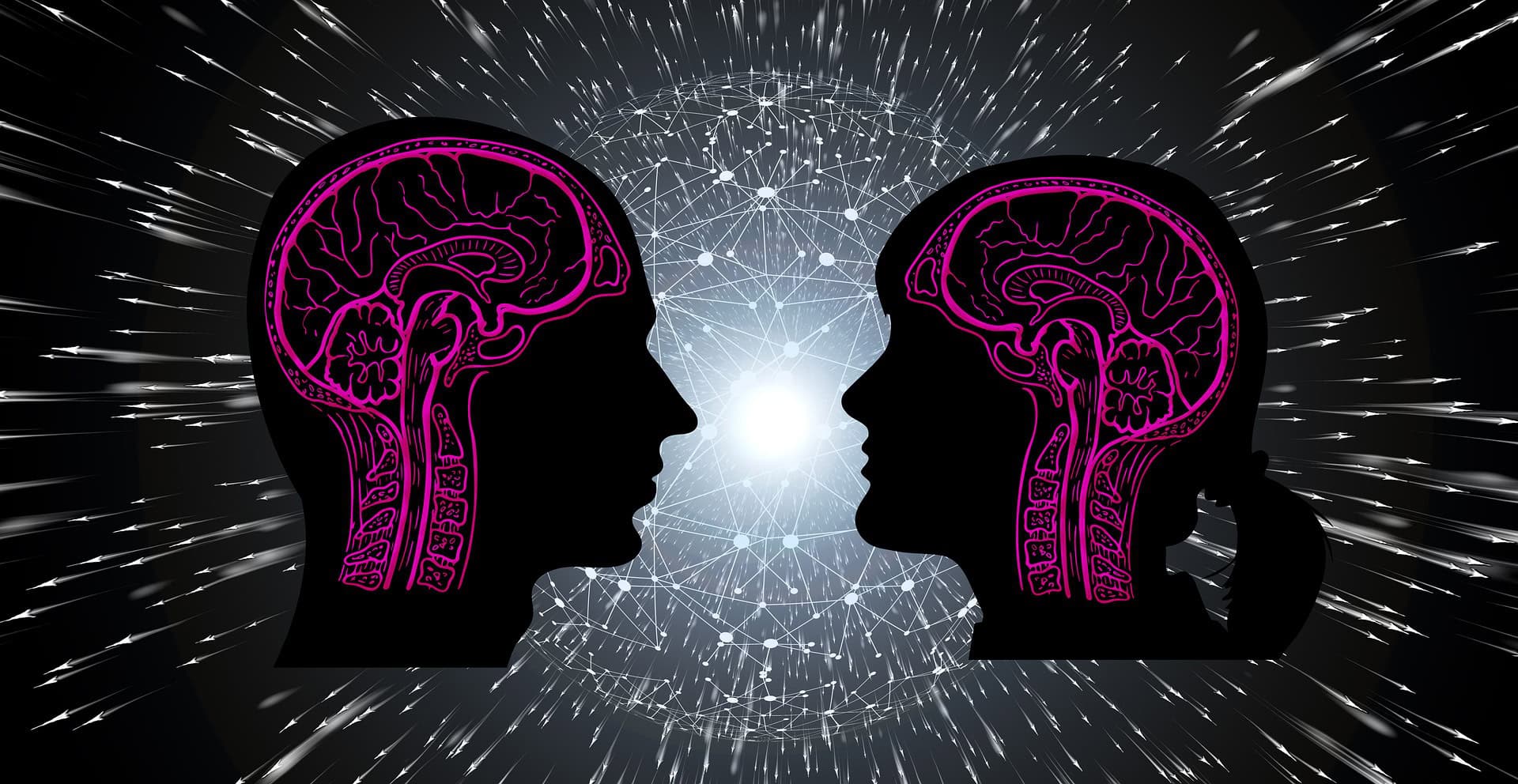
Human attraction is often described as a “spark,” but in reality, it is actually a neurological process in our minds. Understanding the transition from a fleeting glance to a deep crush on someone (and perhaps eventually to the physiological state of arousal) requires looking past the intricate pathways of the brain. The mind is the ultimate architect of desire, translating external cues into a complex internal narrative of longing and excitement.
The Psychology of Attraction
Attraction rarely happens in a vacuum. Before the body ever reacts, the mind performs a lightning-fast mini assessment of a potential partner. This process involves the ventromedial prefrontal cortex, which evaluates this new person based on a lifetime of encoded preferences, social conditioning, and biological cues.
Psychologically, attraction is often driven by a mix of familiarity and novelty. We are drawn to traits that feel safe, yet we are stimulated by cues such as symmetry, scent, and vocal pitch and maybe other things that our subconscious interprets as high-value for attraction. During this initial stage, our minds are evaluating this new person. Think about how when you walk into a room in a social setting you might find yourself scanning through the people in it. Then if and/or when the mind settles on a particular person or “target”, it triggers the first drop of a neurochemical cocktail that shifts interest into a concentrated focus on what to do next.
The Anatomy of a Crush: The Mind Under Siege
When attraction deepens into a “crush,” the mind enters a state that researchers often compare to Obsessive-Compulsive Disorder (OCD). I know it might sound odd or even threatening, but this isn’t a metaphor for those initial crushing feelings. Neuroimaging actually shows that people in the throes of a new crush have lower levels of serotonin, much like those with clinical obsession. This chemical dip is what leads to “intrusive thinking”—the inability to stop thinking about the person, replaying conversations, and imagining future scenarios. It is important to be aware of this so that we can maintain calm and rational thinking while we navigate our feelings of attraction.
The ventral tegmental area (VTA), the brain’s premier reward center, becomes hyper-reactive during this phase. Every text notification or brief interaction sends a surge of dopamine through the system, creating a feedback loop in our brains. The mind craves the dopamine hit, so it focuses more intensely on the source of that hit (thinking about our crush), which in turn makes the eventual reward even more potent.
At this stage, the mind also experiences a phenomenon called positive illusion. The frontal cortex, responsible for critical judgment, actually dials down its activity. This is why we observe little to none of the crush’s negative traits/flaws and instead tend to magnify their positive and attractive traits/virtues. The mind isn’t just seeing the person, it is constructing an idealized version of them and fueling our romantic motivation.
Initial Sexual Arousal
The transition from a mental crush to physical arousal is a shift in our minds. While attraction is about the future (pursuit and bonding), arousal is about the present (the immediate sensory experience).
During initial arousal, the hypothalamus takes center stage. This almond-sized structure is the brain’s relay station, connecting the nervous system to the endocrine system. When the mind perceives a sexual stimulus—be it a touch, a scent, or even a vivid fantasy—the hypothalamus sends signals to the rest of the brain towards arousal.
Psychologically, this is marked by a narrowing of focus. The amygdala, which usually scans for threats, begins to deactivate. This is crucial because for our minds to become sexually aroused, we must feel a sense of disinhibition and safety. The part of the mind that worries about the bills, social awkwardness, or self-consciousness begins to go quiet. This mental “letting go” is what allows the body to take over the steering wheel.
The Role of the “Sexual Brake” and “Sexual Accelerator”
The Dual Control Model of sexual response suggests that the mind has both an “accelerator” (the system that notices sexual stimuli) and a “brake” (the system that notices reasons not to be turned on).
- The Accelerator: Fed by dopamine and sensory input, this system screams “Go!” when it perceives something attractive or arousing.
- The Brake: Fed by the prefrontal cortex and the amygdala, this system looks for stress, lack of privacy, or potential negative consequences.
Arousal isn’t just about pushing the accelerator…it’s about lifting the foot off the brake. In the mind of someone experiencing initial arousal, there is a successful negotiation between these two systems. The mind decides that the environment is safe and the partner is desirable, allowing the “brakes” to release. This is why mental distractions (like a sudden noise or a stray thought about work) can kill arousal instantly. I bet that is something we have all experienced at some time or another!! The mind is constantly re-evaluating the safety and appropriateness of the situation, which is why it is so closely linked to the euphoric feeling of an orgasm.
The Neurochemistry of Desire: Testosterone and Norepinephrine
Even before physical contact, the mind is flooded with norepinephrine, which increases heart rate and creates a sense of excitement. This is the chemical responsible for the “electric” feeling of being near someone you desire. It sharpens the senses, making colors seem brighter and touch more sensitive.
In both men and women, testosterone plays a quiet but vital role in the mind’s libido. While often thought of as a purely physical hormone, testosterone acts on the brain to increase the desire for sexual agency and assertiveness. It shifts the mind from a passive state of liking someone to an active state of wanting to pursue them.
While we often focus on the physical sensations of attraction and arousal, it is the mind that provides the context, the meaning, and the permission for those sensations to occur. From the initial dopamine-fueled curiosity of a new crush to the disinhibited focus of sexual arousal, the brain is constantly modulating our experience of desire.