
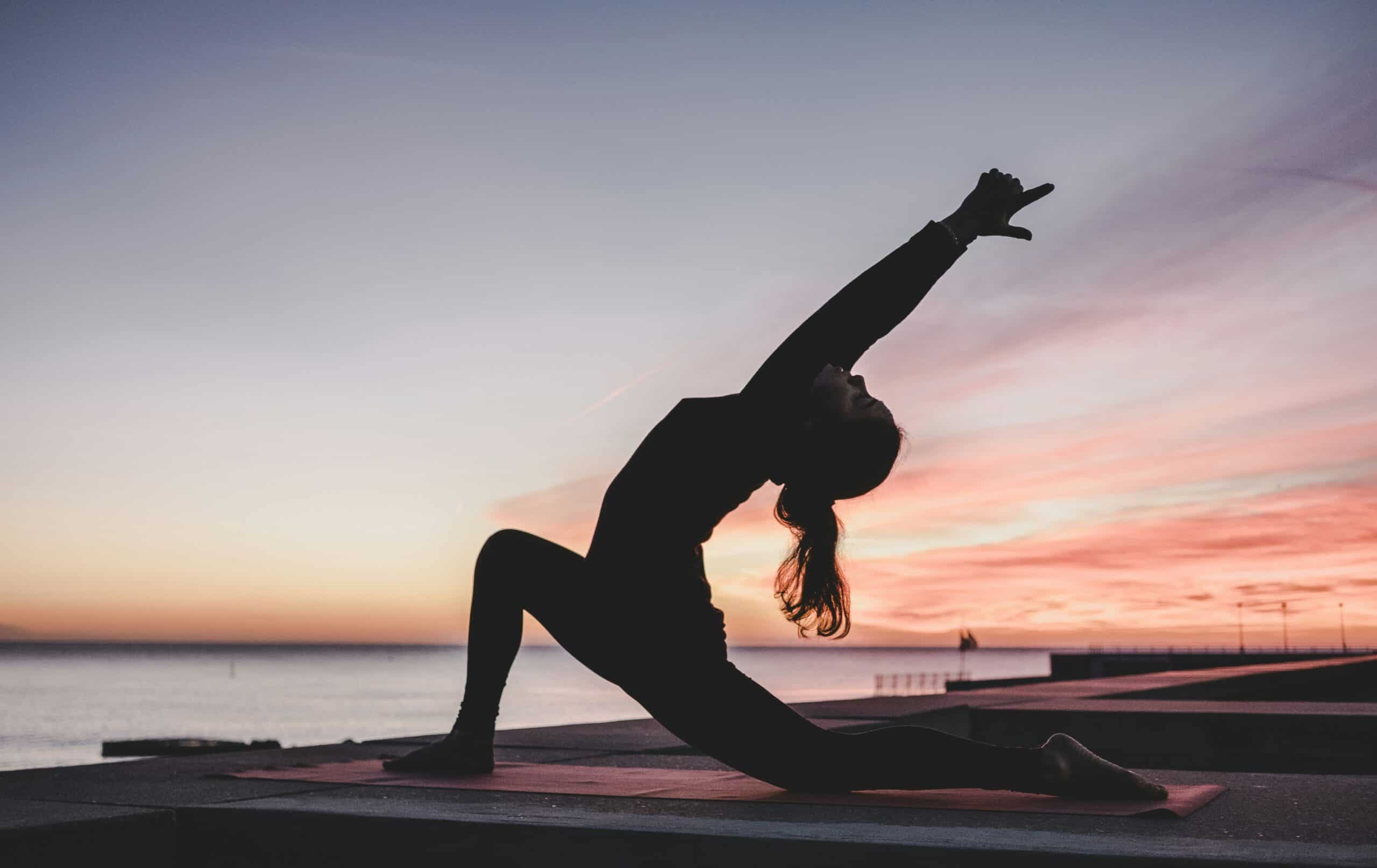
Great sex is a full-body event. It asks for blood flow, stamina, flexibility, core strength, and a pelvic floor that can both contract and relax on command. Yet most fitness advice never mentions the bedroom, and most sex advice never mentions the gym. This guide bridges the gap with specific, practical exercises to improve your sex life, including which movements deliver the biggest benefits for men, which are most valuable for women, and which belong in everyone’s routine. No equipment beyond a mat and your own body is required for most of them.
Sara Loverays has a background and physical therapy and also a certified yoga instructor. She believes that physical fitness is just as important for your sexual health as anything you may be doing in the bedroom. Knowing your body well and keeping it well are essential for good sex!
*A note on language: “men” and “women” here refer primarily to anatomy, since that is what determines which exercises target what. If your body has a penis and prostate, the men’s section applies to you; if it has a vulva, vagina, and clitoris, the women’s section does, whatever words you use for yourself.
Why Fitness and Sexual Wellness Are the Same Project
Sexual function runs on the same systems as athletic function. Erections and clitoral engorgement are vascular events, so anything that improves circulation improves arousal. Orgasm intensity is closely tied to pelvic floor muscle tone. Desire itself is influenced by testosterone, energy levels, body confidence, and stress, all of which respond measurably to regular exercise. Research consistently links moderate, regular physical activity with lower rates of erectile dysfunction in men and improved arousal and satisfaction in women. The exercises below are grouped by what they train: the pelvic floor, the cardiovascular system, strength, and flexibility.
Pelvic Floor Exercises: The Foundation for Everyone
The pelvic floor is a hammock of muscle slung between the pubic bone and tailbone, and it is directly involved in erection, ejaculation, vaginal sensation, and orgasm in every body. Kegel exercises train it, and they are done the same way regardless of anatomy. First, find the right muscles by imagining you are stopping the flow of urine midstream; the squeeze you feel is your pelvic floor. Then, lying or sitting comfortably, contract those muscles for three to five seconds, release fully for the same count, and repeat ten times. Work up to three sets a day, eventually holding contractions for ten seconds. Two details matter enormously: breathe normally instead of clenching your abs, glutes, or thighs, and treat the release as half the exercise, because a pelvic floor that is chronically tight causes as many sexual problems as one that is weak, including pain during sex and premature ejaculation.
Reverse Kegels
Just as important is the opposite movement. A reverse Kegel is a gentle downward release, the same subtle bearing-down you use to start urination. Inhale deeply into your belly, let the pelvic floor soften and expand, and hold that open feeling for a few seconds. People who carry tension in the pelvis, which includes many people with pain during penetration and many men with pelvic pain or rapid ejaculation, often need reverse Kegels more than standard ones.
Kegel Exercises and Pelvic Training for Women
For women, pelvic floor training has some of the best-documented sexual benefits in all of exercise science. A stronger, more coordinated pelvic floor increases blood flow to the vagina and clitoris, heightens sensation during penetration, produces measurably stronger orgasmic contractions, and helps with the mild urinary leakage that often follows childbirth. Beyond the basic routine above, women can add progression in two ways. Vaginal weights or Kegel balls, inserted and held in place through gentle muscle engagement while standing or walking, add resistance the same way a dumbbell does for a bicep. Coordination drills, such as contracting the pelvic floor during the exhale of a squat or bridge, teach the muscles to fire during movement, which is how they are actually used during sex. Women recovering from childbirth or experiencing any pelvic pain should see a pelvic floor physical therapist before loading these muscles, since a hypertonic floor needs relaxation work, not strengthening.
Kegels and Pelvic Training for Men
Men have a pelvic floor too, and training it is one of the most underrated things a man can do for his sex life. Strong pelvic floor muscles support firmer erections by helping trap blood in the penis, and studies on men with erectile difficulties have found pelvic floor exercise programs meaningfully improve function. The same muscles control the ejaculatory reflex: learning to consciously contract and, crucially, relax them gives men a practical tool for delaying ejaculation. The routine is identical to the standard Kegel protocol above. For an applied version, men can practice a firm pelvic floor contraction at moments of high arousal, paired with slow exhaling and a deliberate release, gradually building control over timing. As with women, men with pelvic pain or a feeling of constant tension should emphasize reverse Kegels and consider a pelvic floor physical therapist.
Cardiovascular Exercise: Blood Flow Is Arousal
Arousal is hydraulics. Erections depend on arteries dilating and flooding the penis with blood, and clitoral and vaginal engorgement work the same way, so cardiovascular health translates directly into sexual response. For men, this connection is stark: erectile dysfunction is often an early warning sign of cardiovascular disease, and aerobic exercise is one of the most effective non-drug interventions for improving erections. For women, cardio increases genital blood flow and has been shown to boost physiological arousal, particularly when exercise happens in the hours before sex. Aim for at least 150 minutes a week of moderate cardio: brisk walking, running, cycling, swimming, or rowing all qualify. Interval training, such as alternating one minute hard and two minutes easy on a bike or track for twenty minutes, is especially efficient for vascular health and also builds the stamina that longer sessions in bed politely demand.
Strength Training: Testosterone, Power, and Confidence
Resistance training raises the ceiling on your sex life in several ways at once. Compound lifts that work large muscle groups, such as squats, deadlifts, lunges, and rows, support healthy testosterone levels, which influence libido in both men and women. Strong glutes and hips, built through squats, hip thrusts, and lunges, are quite literally the thrusting muscles, powering pelvic drive in any position and for any partner. A strong core, trained with planks, dead bugs, and bird dogs, stabilizes every position and protects the lower back during creative ones. For men, glute bridges and hip thrusts deserve special mention because they combine glute strength with pelvic drive mechanics, and a Kegel contraction added at the top of each bridge links the pelvic floor into the movement. For women, squats and bridges likewise pair beautifully with pelvic floor contractions, and upper-body strength from push-ups and rows makes positions that bear weight on the arms far more comfortable. Two or three strength sessions a week is plenty.
Flexibility and Mobility: Comfort Expands Possibility
Tight hips and hamstrings quietly shrink your repertoire and can even cause pain during sex. Ten minutes of daily mobility work reverses that. The deep yoga squat opens the hips and gently stretches the pelvic floor. The butterfly stretch, seated with the soles of the feet together and knees dropping outward, loosens the inner thighs. A kneeling hip flexor lunge undoes the front-of-hip tightness that desk life installs, freeing the pelvis to tilt and thrust. The happy baby pose, lying on your back holding the outsides of your feet with knees drawn wide, is a favorite of pelvic floor therapists because it combines a hip opener with a natural pelvic floor release, making it particularly valuable for women with penetration discomfort and men with pelvic tension. Cat-cow spinal rolls teach the pelvis to move fluidly, which is exactly the motion good sex uses.
Breathwork and Mind-Body Practices
Arousal lives in the parasympathetic nervous system, the body’s rest-and-relax mode, and stress is its enemy. Slow diaphragmatic breathing, five seconds in through the nose letting the belly expand, seven seconds out, practiced for five minutes daily, trains the nervous system toward the state where desire and orgasm actually happen. Yoga earns its reputation here by combining flexibility, core strength, pelvic awareness, and breath in one practice, and studies have associated regular yoga with improved sexual function in both men and women. Even simply syncing breath with a partner during sex deepens both relaxation and connection.
Building Your Weekly Sexual Fitness Routine
You do not need to do everything. A realistic week looks like this: Kegels and reverse Kegels daily, since they take five minutes and can happen anywhere; cardio three to five times a week; strength training twice; and a short mobility and breathing sequence in the evenings. Consistency over intensity is the rule, because the vascular, hormonal, and muscular adaptations that improve sex accumulate over weeks and months. And listen to pain: anything that hurts in the pelvis, hips, or lower back is a signal to see a professional, ideally a pelvic floor physical therapist, who exists for exactly these questions.
The best exercises for sexual health are not exotic. Kegels and reverse Kegels build the muscle of orgasm and control for everyone, with women gaining sensation and stronger climaxes and men gaining firmer erections and ejaculatory control. Cardio keeps the blood flowing that arousal is made of. Squats, bridges, and core work power the mechanics. Stretching and breathwork open the body and calm the mind enough to enjoy it all. Train a few times a week, be patient for a month or two, and you will notice the difference exactly where you were hoping to.