
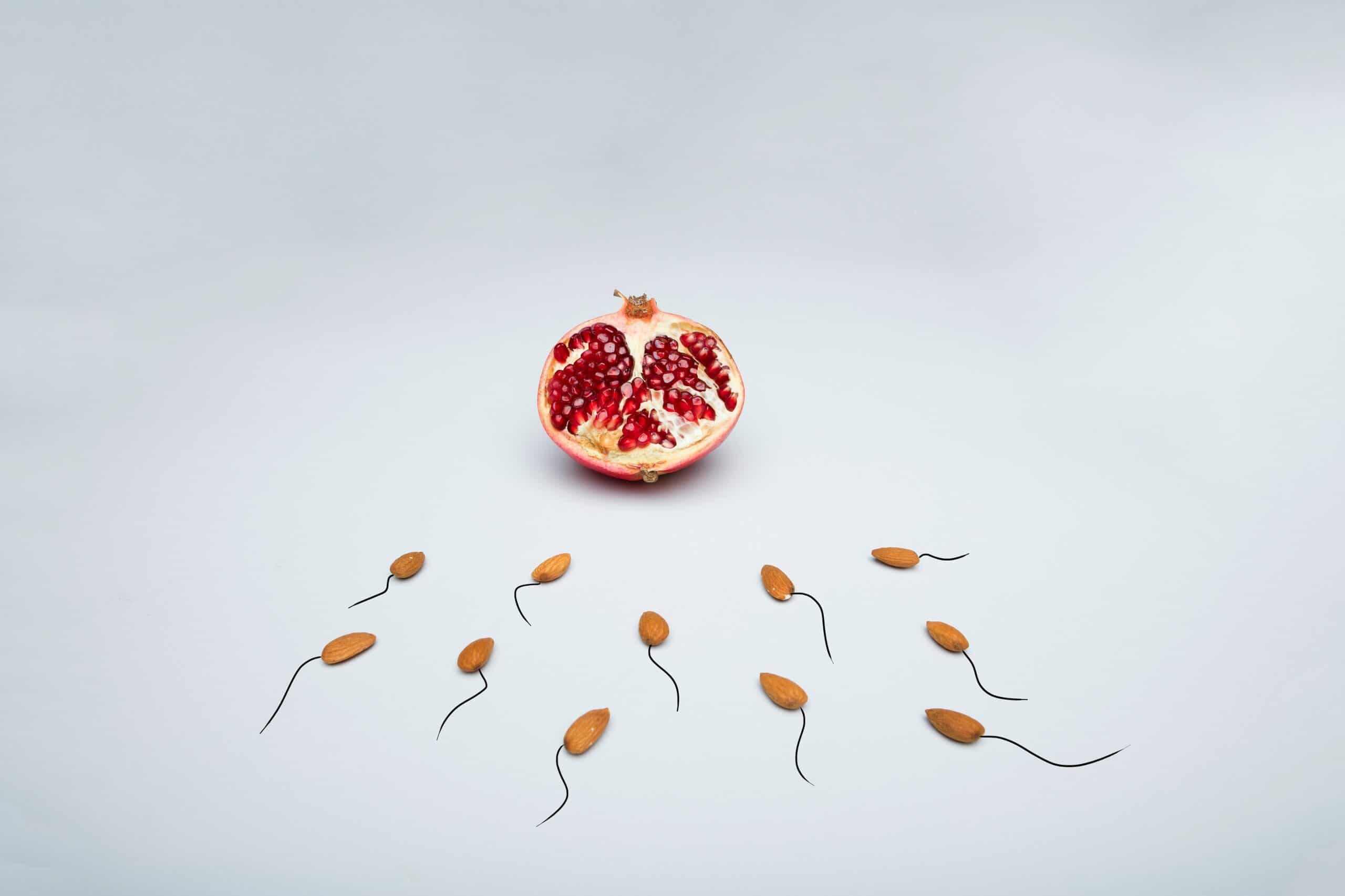
Fertility isn’t just about the egg — healthy sperm are equally vital. When we talk about sperm health, we’re usually referring to three main factors: how many sperm are in an ejaculation (count), how well they move (motility), and whether they’re shaped “normally” (morphology). But beyond those basic parameters, the integrity of sperm DNA also plays a huge role. High fragmentation of sperm DNA (which means more broken or damaged DNA) can reduce male fertility potential, even if sperm count looks okay.
What Is Sperm Health?
Improving sperm health isn’t a sprint — it’s a gentle, consistent journey. Similarly to the video about how penis size is a matter of preference, the video reminds us that we don’t have to shame or pathologize our bodies. Fertility care can be mindful, curious, and rooted in self-respect. Importantly, the new research reinforces that our bodies are complex ecosystems. Our reproductive health is deeply connected to how we live, rest, and take care of ourselves.
Key takeaways:
- Sperm parameters as a roadmap: The video highlights how key sperm metrics — like sperm count, motility (how well they swim), morphology (shape), and vitality — offer a window into fertility. These aren’t just numbers; they reflect how whole-body health, stress, and lifestyle impact reproductive potential.
- Power of lifestyle change: Over the roughly three-month lifespan of sperm development, consistent lifestyle shifts can make a real difference. The video recommends lowering scrotal heat (e.g., avoiding tight underwear or hot tubs), reducing toxic exposures, and prioritizing rest — all practical, everyday changes.
- Nutrition matters: As in many fertility-focused conversations, Sara and Nadege emphasize antioxidant-rich foods (like fruits, vegetables, nuts) to combat oxidative stress, a major threat to sperm DNA integrity.
- Communication & agency: Importantly, the video isn’t framed in shame or deficit. It encourages viewers to take ownership of their reproductive health in a sex-positive way — to ask questions, to work with partners, to see their fertility as part of a larger wellness journey.
Lifestyle Factors That Influence Sperm Health
Keep the Heat Down
Sperm production thrives when testicles stay cooler than core body temperature. Sitting for long periods, wearing tight underwear, using laptops on your lap, or frequenting saunas or hot tubs can all raise scrotal temperature — which may impair sperm count, motility, and even DNA integrity.
Manage Stress & Sleep Well
Chronic stress and poor sleep can mess with hormone levels, including testosterone, which in turn affects sperm production. Practicing stress management (like mindfulness, therapy, or breathing exercises) and aiming for consistent, quality sleep (roughly 7–9 hours) is a strong fertility move.
Avoid Toxins
Lifestyle choices matter: smoking, heavy drinking, and exposure to certain industrial chemicals or pollutants are all linked to poorer sperm parameters. Even everyday exposures matter — pesticides, heavy metals, plasticizers, and other endocrine disruptors can damage sperm DNA.
Maintain a Healthy Weight
Your body mass index (BMI) can influence sperm count and quality. Too much body fat may disrupt hormonal balance, and lowering testosterone is bad for fertility. A balanced diet and regular exercise can help moderate weight and support reproductive health.
Practical Habits to Improve Male Fertility
Here is a list of actionable habits you can incorporate right now to support sperm health:
- Hydrate & Eat Whole Foods: Focus on plenty of fruits, vegetables, nuts, lean proteins, and whole grains. Prioritize foods rich in antioxidants (berries, leafy greens, nuts) and healthy fats (like omega-3s).
- Moderate Alcohol & Avoid Smoking: If you drink, keep it moderate — heavy alcohol is linked to lower sperm count. Smoking, on the other hand, is strongly associated with decreased sperm quality.
- Exercise Wisely: Engage in moderate aerobic activity. Overtraining or very intense exercise may backfire, but regular movement has many fertility benefits.
- Reduce Stress: Whether it’s meditation, yoga, therapy, or creative outlets — find what helps you unwind and build it into your routine.
- Be Mindful of Heat: Opt for looser underwear, limit hot tub use, and avoid placing a laptop directly on the lap for long periods.
- Limit Environmental Exposures: Try to reduce contact with plastics, pesticides, and other harmful chemicals when possible.
- Consider Supplements Carefully: If you’re interested in antioxidants or fertility-focused supplements, do so under medical supervision.
What Science Is Telling Us About Male Fertility
Sperm Health — A Marker of Overall Longevity
A compelling new study followed more than 78,000 men over 50 years, finding that higher sperm motility (i.e., more “strong swimmers”) correlated with a longer lifespan. Men whose total motile sperm count exceeded 120 million per milliliter lived an average of 2.7 years longer than those with very low motility.
- This association may be driven by oxidative stress, which damages both somatic (body) cells and sperm.
- Sperm health doesn’t just reflect fertility — it can provide meaningful insight into long-term health and wellness.
Lifestyle, Hormones, and Fragmentation: Interacting Factors for Sperm Health
A cross-sectional study (2025) of nearly 300 men found that tobacco use, alcohol consumption, abnormal BMI, and occupational heat exposure were significantly associated with lower sperm count. These factors were also linked to poor motility and greater sperm DNA fragmentation.
- Hormonal imbalances also came into play: low testosterone and elevated prolactin were linked to poor semen parameters. Meanwhile, low AMH (anti-Müllerian hormone) correlated with higher fragmentation.
- This research reinforces that lifestyle and biology are deeply intertwined. Changes in one domain (say, weight or stress) may ripple into sperm DNA quality.
Emerging Tech: AI for Sperm DNA Testing
Cutting-edge research is underway to use AI (artificial intelligence) to assess sperm DNA fragmentation in a non-destructive way. One 2024 preprint describes a machine-learning model that predicts DNA fragmentation from phase-contrast microscope images. This means you might not have to destroy sperm during testing.
- If validated clinically, this could revolutionize how fertility clinics evaluate sperm. It would make DNA integrity testing more accessible and safer for future IVF or assisted reproductive tech workflows.
Improving sperm health isn’t about perfection — it’s about consistent, curious care. Every positive change you make (from eating better to managing stress to staying cool) contributes to stronger, healthier sperm. It’s an act of self-love and sexual positivity: caring for your body, not just for potential conception, but for your own well-being.
If you’re exploring fertility, you’re already engaging with your body in a thoughtful and empowered way. And that mindset — sex-positive, curious, and proactive — is one of the strongest tools you have.