
The human orgasm can be described as a peak experience for most people. It is almost like a fleeting moment where the boundaries of ourselves seem to dissolve. While the physical parts of an orgasm are well-documented, the true core of the pleasure of the event happens within the human brain. There is much more to understanding an orgasm than the biological mechanics. Furthermore, we have to consider the neurological transformation that happens when we shift from high-alert processing. This shift leads to a somewhat ecstatic surrender of the conscious mind.
The Desire and Anticipation of an Orgasm
Long before the physical peak of an orgasm, the human mind enters a state of heightened dopaminergic activity. This is the phase of wanting rather than liking. The brain’s reward system, centered in the ventral tegmental area (VTA), begins to flood the system with dopamine. Notably, dopamine is the neurotransmitter of anticipation and motivation.
Psychologically, this is a period of intense narrowing. The mind begins to filter out external stimuli like the sound of traffic, the mental to-do list, or physical discomforts. It focuses entirely on the sensory input of the moment and the anticipation of it. This is often referred to as “flow state” or “sensory immersion.” The amygdala, which governs fear and anxiety, starts to dial down its activity. For a mind to reach the point of climax, it must first feel safe. The brain cannot easily transition into ecstasy while its alarm system is still ringing.
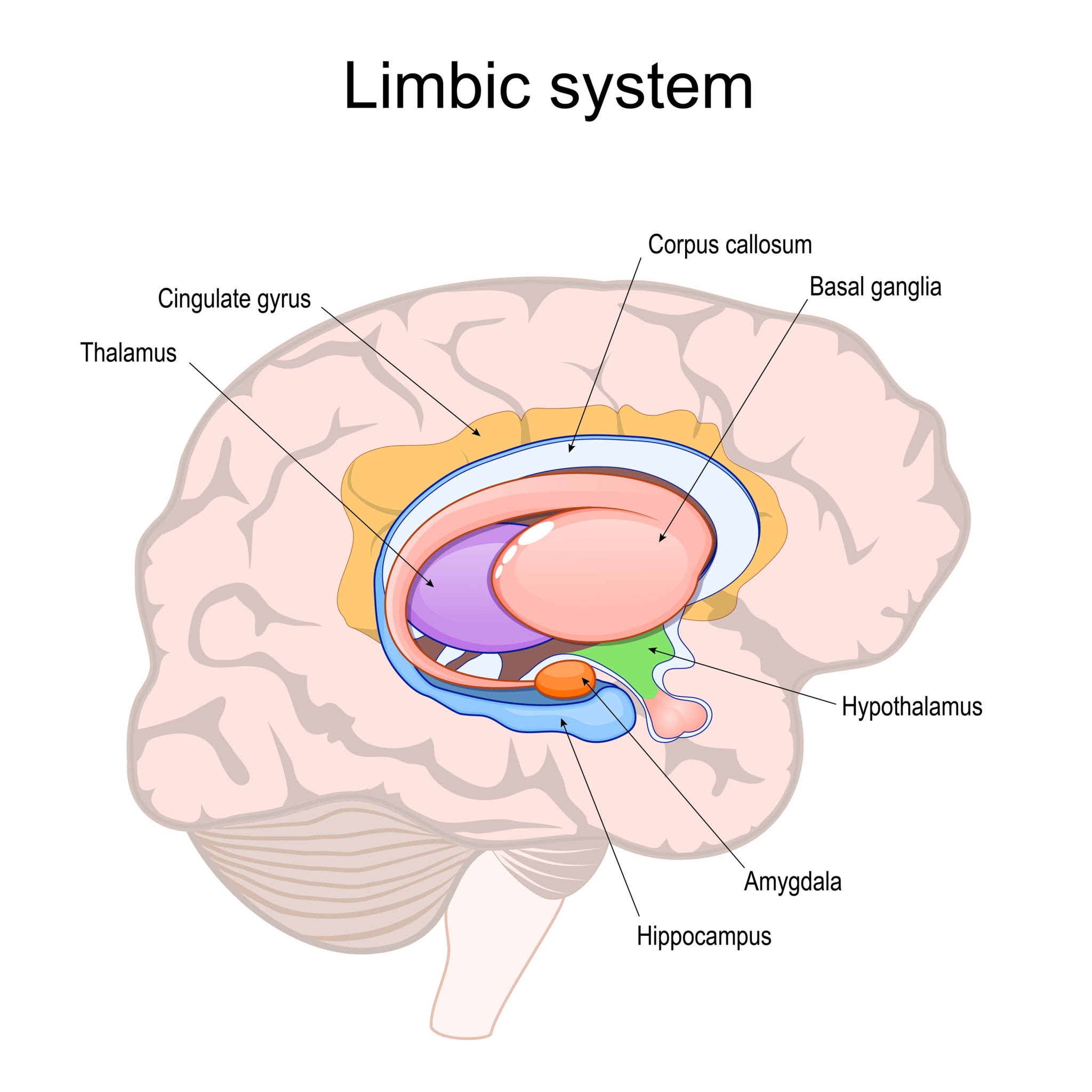
In this stage, the prefrontal cortex (the part of the brain responsible for logic, social judgment, and self-awareness) is still online but beginning to soften. We are conscious of our desires and navigating the social and emotional nuances of the encounter. However, as arousal builds, the “thinking self” starts to give way to the “feeling self.”
The Shift from Control to Sensory Dominance in the Mind
As the body anticipates the connection and the orgasm even more, the brain undergoes a radical reorganization. The parietal lobes, which help us navigate space and maintain a sense of physical boundaries, see a shift in activity. This often results in a psychological feeling of “losing oneself.” Consequently, the distinction between our conscious and our more subconscious minds becomes blurred. This is a phenomenon often described in psychological literature as “self-transcendence.”
During this ascent, the cerebellum becomes incredibly active. While traditionally associated with motor control, the cerebellum also processes the rhythm and timing of the experience. The mind becomes hyper-fixated on the cadence of touch and breath. Also, the lateral orbitofrontal cortex, the part of the brain that controls impulses and evaluates behavior, begins to quiet significantly. This is the neurological basis for the release associated with sexual climax. The mind stops evaluating the self and starts experiencing the self, so to speak. This reduction in inhibitory control is what allows the transition from a controlled state of being. It leads to the involuntary explosion of the orgasm itself.
What Happens to the Mind During an Orgasm?
At the moment of orgasm, the brain doesn’t light up in a chaotic frenzy as you may think. Instead, it experiences a unique signature of activation and deactivation. Paradoxically, one of the most striking features of the orgasmic brain is how much of it shuts down.
In women specifically, studies using PET scans have shown a massive deactivation of the prefrontal cortex. This means there is a “turning off” of the conscious and the worrying and judging part of our mind. It is why the French call the feeling after an orgasm le petit mort (“the little death”)—it is a semi/temporary death of the ego.
Simultaneously, the hypothalamus is working overtime, releasing a massive surge of oxytocin (the bonding hormone). For the human mind, this creates a feeling of profound emotional safety and intense connection. The nucleus accumbens, the brain’s primary pleasure center, reaches peak firing rates. It mimics the neural profile of a high-intensity drug rush.
The mind, at this moment, is devoid of past or future, but rather exists in a state of being present. There is no room for language, complex thought, or abstract reasoning. The experience is purely phenomenological…a raw, unfiltered stream of consciousness that bypasses the usual filters of the human intellect.
The Mental Aftermath of an Orgasm
As the physical contractions subside, the brain enters the resolution phase. The high-octane dopamine surge is replaced by a cocktail of prolactin, serotonin, and oxytocin.
- Prolactin: This hormone is largely responsible for the refractory period. Psychologically, it signals a sense of satiation. The intense “hunger” of the anticipation phase vanishes, replaced by a feeling of being content.
- Serotonin: This promotes a sense of calm and well-being.
- Oxytocin: This continues to circulate, fostering a deep sense of bonding and psychological intimacy with a partner.
The return of the prefrontal cortex is gradual. As the logic centers of the brain come back online, the mind begins to process the experience. This is the “afterglow”—a period where the mind is uniquely primed for emotional bonding and vulnerability. However, if the drop in dopamine is too sharp, some individuals may experience “postcoital tristesse” (PCT), a brief feeling of sadness or anxiety. This happens as the brain’s chemistry recalibrates from the extreme heights of the climax. I have cried after sex before and I know I am not the only one!
For most, the post-orgasmic mind is characterized by parasympathetic dominance. The “fight or flight” system is silenced, and the “rest and digest” system takes over. This is why sleepiness is such a common byproduct; the brain has moved from a state of extreme metabolic demand to a state of recovery.
While we often treat orgasm as a purely physical event, it is clear that there are significant changes that occur within our mental landscape and the human mind. The journey moves from the dopamine-fueled craving of anticipation to the ego-dissolving peak of the climax. Finally, it ends at the oxytocin-rich calm of the aftermath. This process is a masterclass in neural flexibility.
Understanding the mind of the orgasm allows us to see sexual health not just as a matter of physical function, but also as a complex interplay of emotional safety, sensory focus, and the ability to temporarily silence the internal critic. The psychological benefits of this cycle—stress reduction, emotional bonding, and improved mood—are all rooted in these specific shifts in brain chemistry. This proves that a healthy mind and a healthy sexual life are absolutely linked.