Orgasm is often described as a peak physical sensation, but beneath that experience lies a sophisticated interaction between the brain, spinal cord, nerves, and neurochemicals. From the first moment of arousal to the afterglow that follows climax, the nervous system plays a central role in shaping how orgasms are felt, processed, and remembered. Understanding this connection helps demystify sexual response and highlights why orgasms can feel both intensely physical and deeply emotional.
The Nervous System’s Role in Sexual Response
Sexual response begins in the nervous system long before orgasm occurs. Touch, fantasy, visual cues, or emotional connection activate sensory nerves throughout the body, particularly in erogenous zones. These signals travel through peripheral nerves to the spinal cord and onward to the brain, where they are interpreted as sexual stimulation.
The autonomic nervous system regulates this process in phases. During arousal, the parasympathetic nervous system supports blood flow, lubrication, and genital sensitivity. As orgasm approaches, the sympathetic nervous system takes over, triggering rhythmic muscle contractions, increased heart rate, and the involuntary responses associated with climax. This precise coordination allows the body to move smoothly from desire to release.
Visual Overview: Neural Pathway of Orgasm
While orgasm feels instantaneous, it follows a structured neurological pathway. Below is a simplified visual explanation of how orgasm signals move through the nervous system:
Sensory Stimulation → Peripheral Nerves → Spinal Cord → Brain Processing → Motor Response → Orgasm
More specifically:
- Genital and erogenous zone stimulation activates sensory nerve endings
- Signals travel through pudendal and pelvic nerves to the spinal cord
- The spinal cord relays information to the brain’s sensory, emotional, and reward centers
- The brain sends signals back down through motor neurons
- Muscles in the pelvic floor contract rhythmically, resulting in orgasm
This two-way communication between the brain and body explains why orgasms are both reflexive and deeply influenced by mental and emotional states.
Brain Activity During Orgasm: A Whole-Body Experience
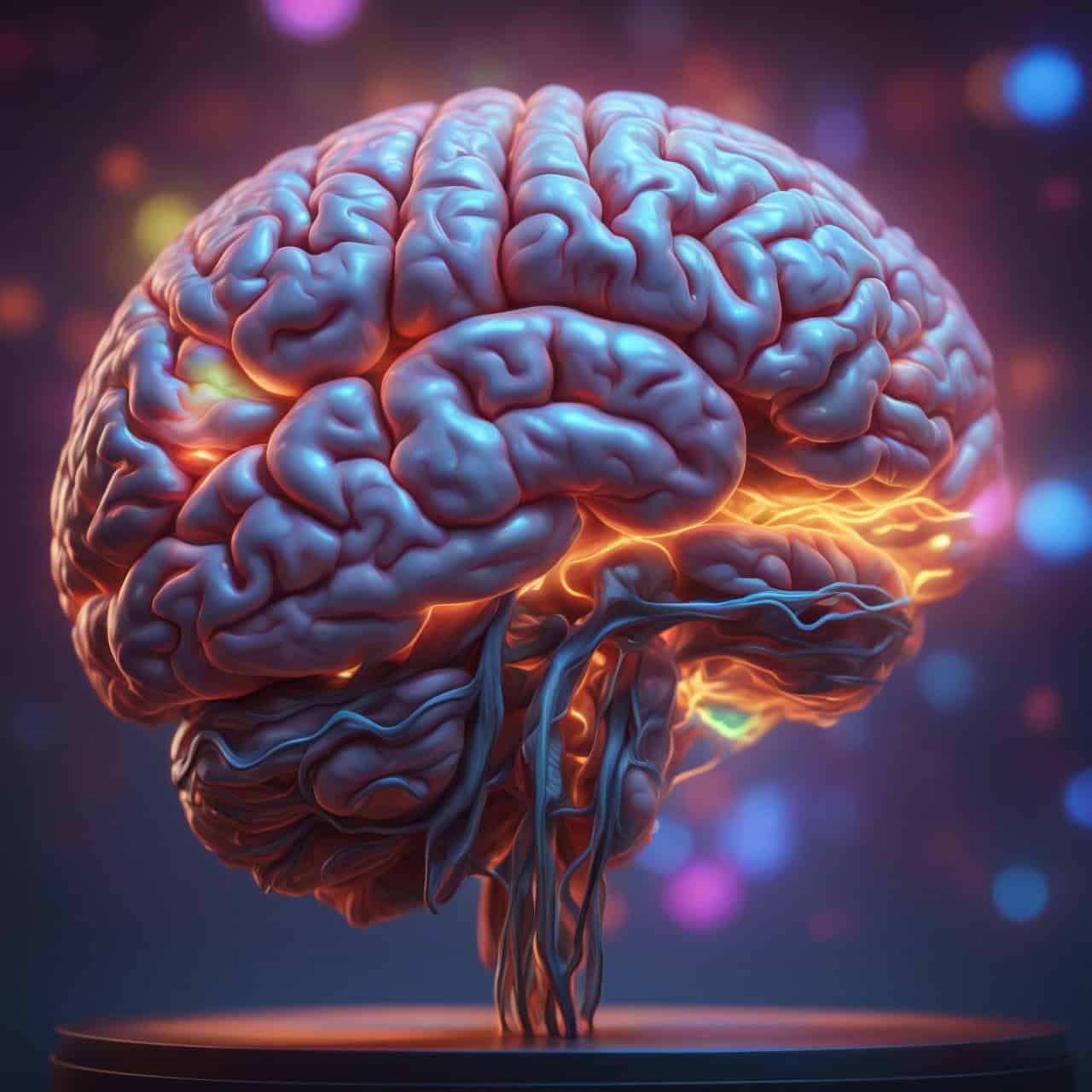
Orgasm engages multiple areas of the brain simultaneously. Imaging studies show heightened activity in sensory regions that process touch, motor regions that coordinate movement, and emotional centers linked to pleasure and memory. Areas involved in stress regulation and self-monitoring often quiet during orgasm, which may explain the feeling of losing oneself or entering a trance-like state at climax.
The hypothalamus plays a key role in coordinating hormonal release, while deeper brain structures manage autonomic responses such as breathing, muscle tension, and heart rate. This widespread activation is why orgasm can feel overwhelming, euphoric, and grounding all at once.
The Neurochemistry of Orgasm: Pleasure, Bonding, and Relief
Orgasm triggers the release of several powerful neurochemicals that influence mood, attachment, and well-being:
- Dopamine heightens pleasure and reinforces desire, linking orgasm to motivation and reward
- Oxytocin promotes feelings of closeness, trust, and emotional bonding
- Endorphins reduce pain and generate feelings of euphoria and relaxation
- Serotonin contributes to satisfaction and emotional calm during the resolution phase
This neurochemical combination helps explain why orgasms can reduce stress, improve mood, and foster intimacy with partners.
How Orgasm Regulates the Nervous System
Beyond pleasure, orgasm has regulatory effects on the nervous system. After climax, parasympathetic activity increases, helping the body return to a relaxed baseline. This shift can result in deep calm, emotional softness, or sleepiness.
Orgasms also influence how the brain learns and remembers. Because the nervous system associates orgasm with reward, experiences surrounding climax can become emotionally significant, shaping attraction, preferences, and relational bonds. Additionally, the release of endogenous opioids can temporarily reduce pain sensitivity and muscle tension, contributing to physical relief.
Supporting a Healthy Sexual Nervous System
Because orgasms are so closely tied to nervous system function, supporting neurological health can enhance sexual pleasure and responsiveness.
Key factors that support a healthy sexual nervous system include:
- Stress regulation: Chronic stress keeps the nervous system in a heightened state, which can interfere with arousal and orgasm
- Adequate rest: Sleep supports neurotransmitter balance and sensory processing
- Mind-body awareness: Practices like breathwork, mindfulness, and somatic awareness can improve neural connection to bodily sensations
- Pelvic floor health: Strong yet relaxed pelvic muscles support effective nerve signaling and orgasmic contractions
- Emotional safety: Feeling safe, present, and emotionally connected helps quiet threat responses in the nervous system, allowing pleasure pathways to activate
When the nervous system feels regulated and supported, the body is better able to experience pleasure fully.
Orgasm, the Nervous System, and Human Connection
Orgasms are not isolated biological events — they are deeply relational and neurological experiences. The nervous system links sexual pleasure with emotional memory, bonding, and motivation, reinforcing intimacy and connection over time. Variations in orgasmic experience, including difficulty reaching climax or changes in sensation, often reflect changes in nervous system signaling rather than a lack of desire or attraction.
Understanding orgasm through the nervous system lens can reduce shame, normalize diversity in sexual response, and encourage a more compassionate approach to sexual health.
Orgasm is the result of a finely tuned collaboration between the brain, nerves, muscles, and neurochemicals. From sensory input to emotional bonding and physical release, the nervous system orchestrates every stage of climax. Recognizing orgasms as neurophysiological events — not just physical reactions — deepens our understanding of pleasure, intimacy, and the remarkable intelligence of the human body.