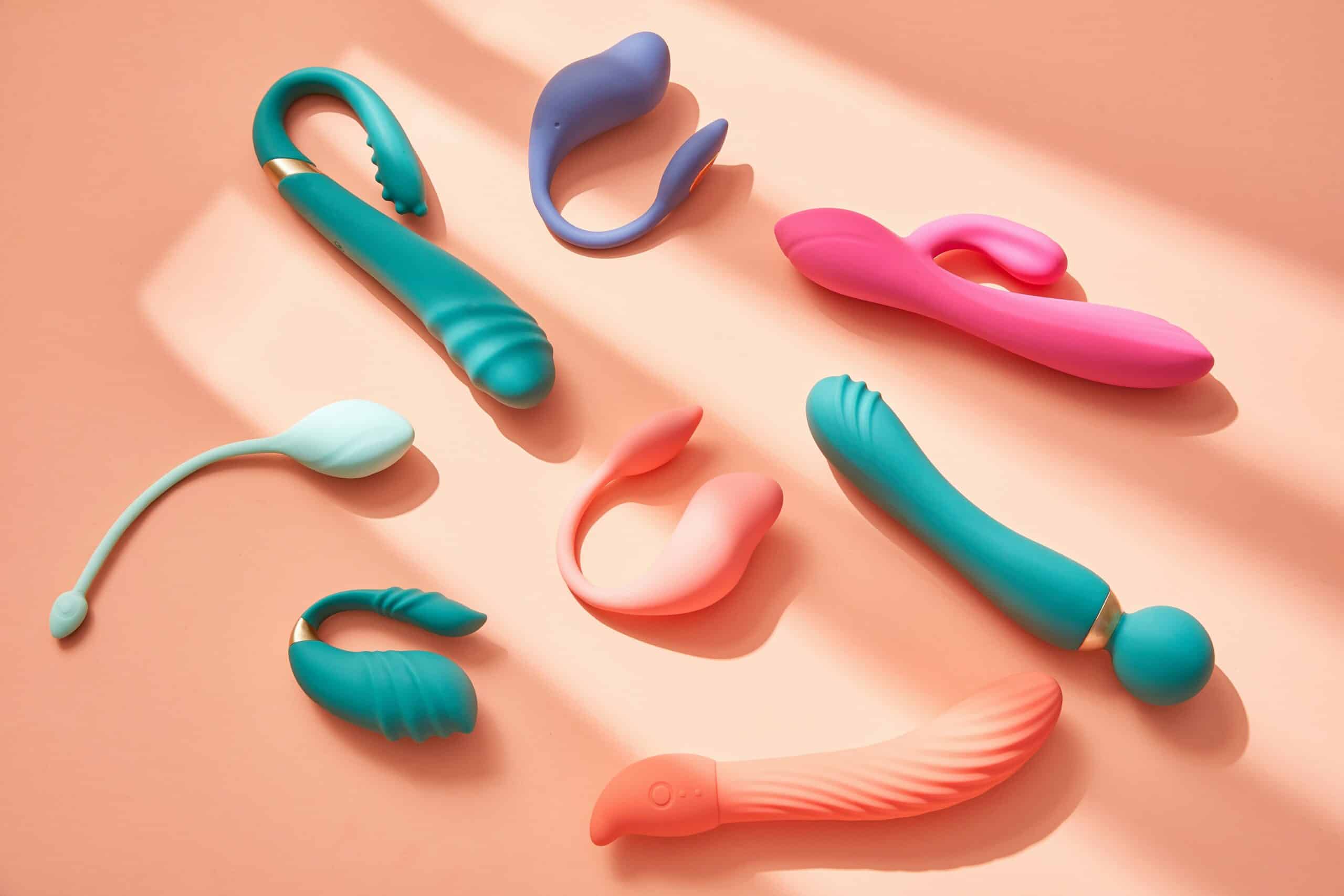
Choosing the right lubricant for your sex toys is just as important as selecting the toy itself. While lubricants can enhance comfort, reduce friction, and increase pleasure, using the wrong type of lube can damage your toys, shorten their lifespan, and potentially affect your overall experience.
Why Lubricant Compatibility Matters for Sex Toys
Many people assume that all lubricants work with all sex toys, but that’s not the case. Different toy materials react differently to various lubricant formulations. Understanding lubricant compatibility can help protect your investment, maintain hygiene, and ensure your toys remain safe and pleasurable to use for years to come.
Whether you’re using vibrators, dildos, strokers, anal toys, or couples’ toys, knowing which lubricants are safe for your favorite products is an essential part of responsible sex toy care.
Understanding Common Sex Toy Materials
Before selecting a lubricant, it’s important to understand what your sex toy is made from. Modern body-safe sex toys are available in a variety of materials, each with its own compatibility considerations.
Silicone Sex Toys
Silicone is one of the most popular materials used in high-quality sex toys. It is non-porous, durable, body-safe, and easy to clean. Silicone toys are available in countless shapes and designs, from vibrators and dildos to anal plugs and wearable toys.
Glass Sex Toys
Glass sex toys are typically made from borosilicate glass, which is extremely durable and resistant to temperature changes. Glass is non-porous and compatible with most lubricant types.
Stainless Steel and Metal Sex Toys
Metal sex toys are known for their weight, durability, and luxurious feel. Like glass, stainless steel is non-porous and generally works well with most lubricants.
ABS Plastic Sex Toys
Many vibrators and electronic toys feature ABS plastic casings. This hard, non-porous material is considered body-safe and typically offers broad lubricant compatibility.
TPE and TPR Materials
Thermoplastic elastomer (TPE) and thermoplastic rubber (TPR) are softer materials often found in strokers, sleeves, and budget-friendly toys. These materials can be more porous and may require additional care when selecting lubricants and cleaning products.
Water-Based Lubricants: The Universal Choice for Sex Toys
When in doubt, water-based lubricant is generally the safest option for sex toy users. Most manufacturers recommend water-based formulas because they are compatible with virtually all toy materials.
Water-based lubricants do not chemically react with silicone, plastic, glass, or metal surfaces. They are easy to clean, unlikely to leave residue, and safe for use with condoms and barriers.
For people who own multiple types of toys, a quality water-based lubricant can simplify shopping and eliminate concerns about compatibility.
Benefits of Water-Based Lubricants for Toys
Water-based lubricants offer several advantages for sex toy users:
They are safe for silicone toys, which represent a large percentage of premium products on the market. They also rinse away easily during cleaning, helping maintain proper toy hygiene.
Many water-based lubricants are formulated to mimic the body’s natural lubrication, creating a comfortable and realistic feel. They are available in a wide variety of thicknesses, from lightweight formulas for vaginal play to thicker options designed for anal activities.
Because they are so versatile, water-based lubricants are often considered the best starting point for beginners purchasing their first sex toy.
Silicone Lubricants and Silicone Toys: What You Need to Know
One of the most important lubricant compatibility rules involves silicone-based lubricants and silicone sex toys.
Many silicone lubricants can interact with silicone toy surfaces, potentially causing the material to become tacky, sticky, soft, or damaged over time. This reaction occurs because the lubricant and toy contain similar compounds that may affect one another.
While not every silicone lubricant will damage every silicone toy, compatibility can vary significantly between manufacturers and formulations. Because of this uncertainty, many experts and toy manufacturers recommend avoiding silicone lubricants on silicone toys altogether.
When Silicone Lubricants May Be Safe
Some manufacturers specifically test their products and confirm compatibility with certain silicone lubricants. If the toy’s instructions explicitly state that silicone lubricant is safe, users can generally follow those guidelines.
If compatibility information is unavailable, water-based lubricant remains the safer choice.
Spot Testing for Compatibility
If you are unsure whether a silicone lubricant is compatible with a silicone toy, some manufacturers recommend performing a spot test. Apply a small amount of lubricant to an inconspicuous area and wait several hours to see whether the material changes texture.
However, even spot testing cannot guarantee long-term compatibility, making water-based lubricant the safer recommendation in most situations.
Best Lubricants for Glass and Metal Sex Toys
Glass and stainless steel sex toys offer some of the greatest flexibility when it comes to lubricant selection.
Because these materials are non-porous and highly durable, they are generally compatible with water-based, silicone-based, hybrid, and many oil-based lubricants.
This allows users to choose lubricants based on personal preference rather than material restrictions.
For example, someone using a stainless steel anal toy may prefer a long-lasting silicone lubricant, while another user enjoying a glass dildo may choose a lightweight water-based formula for easier cleanup.
Lubricants for Plastic and Electronic Toys
ABS plastic toys typically work well with water-based and silicone-based lubricants. Because many vibrators and electronic toys feature plastic housings combined with silicone components, users should consult manufacturer guidelines before selecting a lubricant.
When uncertainty exists, water-based lubricants provide the safest and most universally compatible solution.
Additionally, users should avoid allowing excess lubricant to enter charging ports, battery compartments, or electronic connections.
Special Considerations for Strokers and Sleeves
Male strokers, sleeves, and masturbators are often made from softer materials such as TPE or TPR. These materials can be more sensitive to lubricant choices and may require extra care.
Water-based lubricants are generally recommended because they are easy to clean and less likely to damage soft materials. Using thick, high-quality water-based formulas can help reduce friction while protecting the material’s integrity.
Proper cleaning and storage are especially important for porous materials, as bacteria can accumulate more easily than on non-porous surfaces.
Natural Lube Alternatives
Some people prefer natural alternatives to commercial lubricants, with warmed coconut oil being one of the most popular. Its smooth, long-lasting texture makes it a great choice for external stimulation, sensual massage, and masturbation.
However, coconut oil and other oils should not be used with latex condoms, as they can weaken the latex and increase the risk of breakage. Some people may also experience skin irritation or sensitivity, so it’s best to test a small amount first. If you choose a natural alternative, look for products with minimal ingredients that are intended for intimate use whenever possible.
Why Toy Manufacturers Recommend Water-Based Lubricants
There is a reason water-based lubricants dominate sex toy recommendations.
Manufacturers prefer water-based products because they minimize compatibility concerns, reduce warranty issues, and provide consistent performance across a wide range of materials.
For consumers, this means fewer risks and less guesswork. If a toy’s instructions do not clearly specify lubricant compatibility, water-based lubricant is usually the safest recommendation.
Common Mistakes People Make When Using Lubricants with Sex Toys
Many toy owners accidentally shorten the lifespan of their products by making simple compatibility mistakes.
One common error is assuming that all premium lubricants are universally safe. A high-quality silicone lubricant may perform exceptionally well for anal sex or shower play but still be unsuitable for a silicone toy.
Another mistake is failing to clean toys thoroughly after use. Residual lubricant can attract dust, degrade materials over time, and create hygiene concerns.
Users should also avoid experimenting with household products that are not designed for sexual activity. Lotions, oils, petroleum-based products, and other improvised lubricants may damage toys or irritate sensitive tissues.
How to Clean Sex Toys After Using Lubricant
Proper cleaning helps preserve toy quality and supports sexual health.
After use, wash non-electronic toys according to the manufacturer’s instructions using warm water and a mild toy cleaner or fragrance-free soap. Electronic toys should be cleaned carefully to avoid damaging charging ports or electronic components.
Once cleaned, toys should be thoroughly dried before storage. Storing toys separately can help prevent material interactions and preserve their condition.
Regular maintenance can significantly extend the lifespan of both the toy and the lubricant-safe surfaces.
Choosing the Best Sex Toy Safe Lubricant
For most users, a high-quality water-based lubricant is the easiest and safest choice. It offers broad compatibility, simple cleanup, and excellent performance with nearly every type of sex toy.
Silicone lubricants can be excellent for certain activities but require caution when used with silicone toys. Glass and metal toys offer more flexibility, while soft materials such as TPE and TPR often benefit from gentle water-based formulas.
By understanding the relationship between lubricant types and toy materials, consumers can enjoy safer, more comfortable, and more pleasurable experiences while protecting their favorite pleasure products for years to come.